Reference article
Electrical Circuit Review After Water Exposure: Reading Inspection Reports Without Assumptions
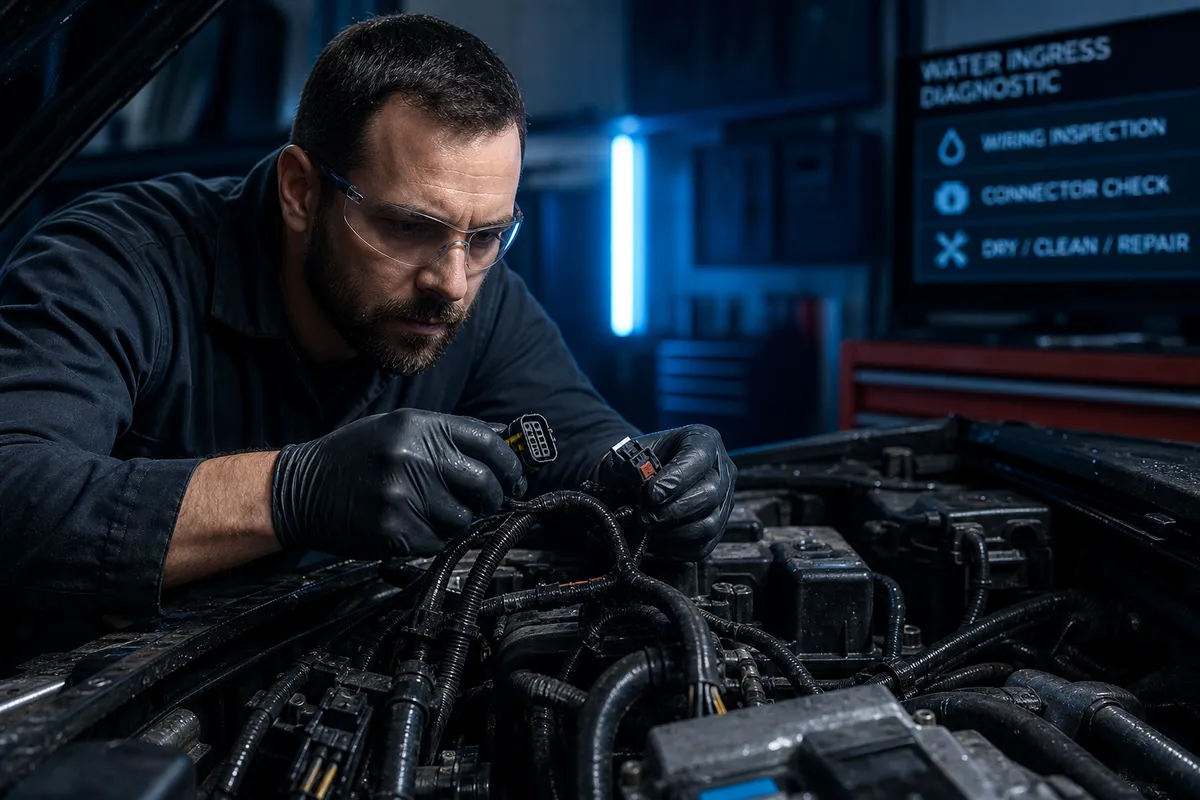
Educational guide to electrical inspection vocabulary, connector field names, and moisture-related circuit documentation for vehicles affected by flooding or heavy rain.
Why electrical documentation differs after water contact
Water exposure changes how inspection reports describe vehicle electrical systems. Connectors that appeared dry during a routine multi-point review may now include moisture intrusion notes, corrosion indicators, and ground path resistance fields. Educational modules on ferromagnet.info explain how to read these documents without treating every flagged line as an automatic component replacement order.
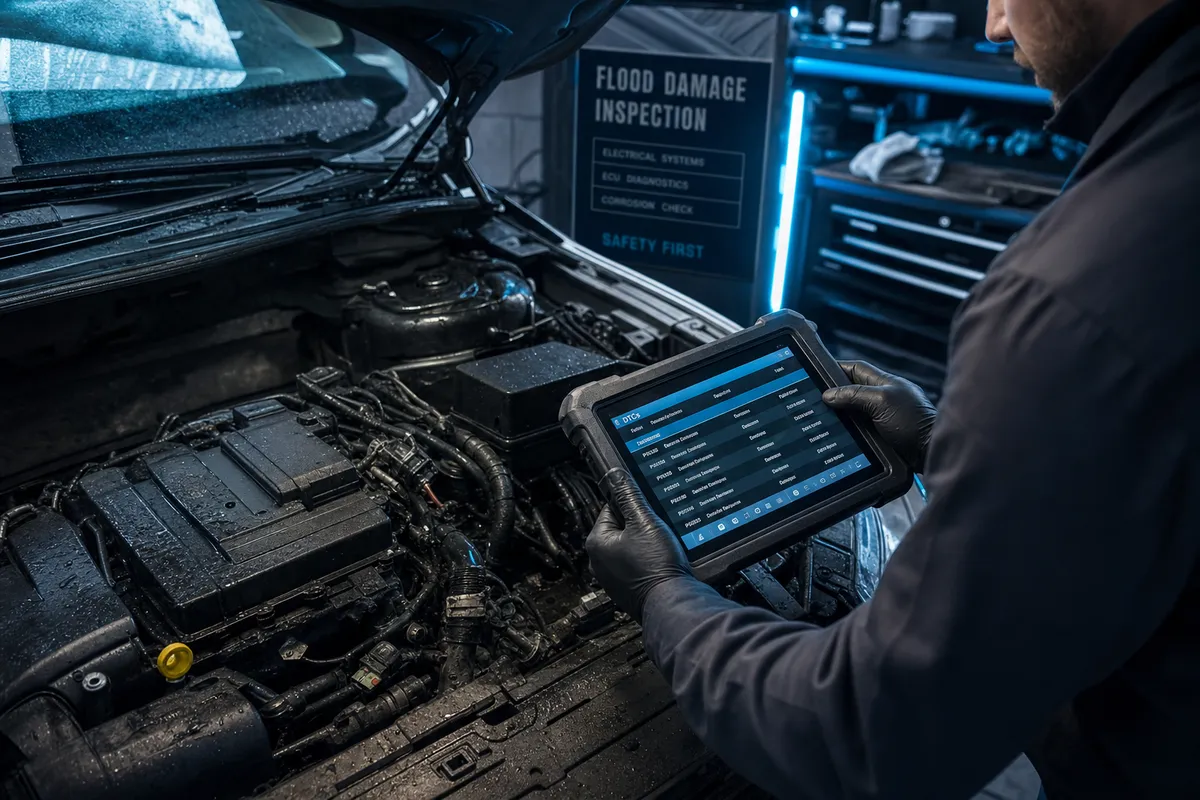
Electrical inspection after flooding focuses on three documentation layers: visible connector condition, measured resistance values, and functional test observations. The learning format separates manufacturer specification tables from shop technician notes and from insurance adjuster summary fields — each serves a different audience with distinct vocabulary.
Vehicle owners and liaisons benefit from understanding that electrical reports describe observation categories, not fixed repair scopes. A connector marked 'requires further evaluation' indicates a documentation checkpoint, not a predetermined shop outcome.
Common report fields and neutral definitions
Licensed facilities and assessment centers use recurring field names when documenting electrical condition after water exposure:
- Connector seal integrity: Visual assessment of rubber boots, grommets, and pin seals at junction points.
- Ground resistance reading: Measured ohms between chassis ground and circuit return paths; compared to reference ranges.
- Parasitic draw note: Current draw measurement when vehicle is in sleep mode; elevated values may prompt module isolation tests.
- Pin corrosion index: Shop shorthand describing oxidation level on terminal pins — definitions vary by facility protocol.
- Circuit continuity status: Pass/fail or measured value indicating whether current path is intact through a specific wire segment.
Moisture pathways and documentation logic
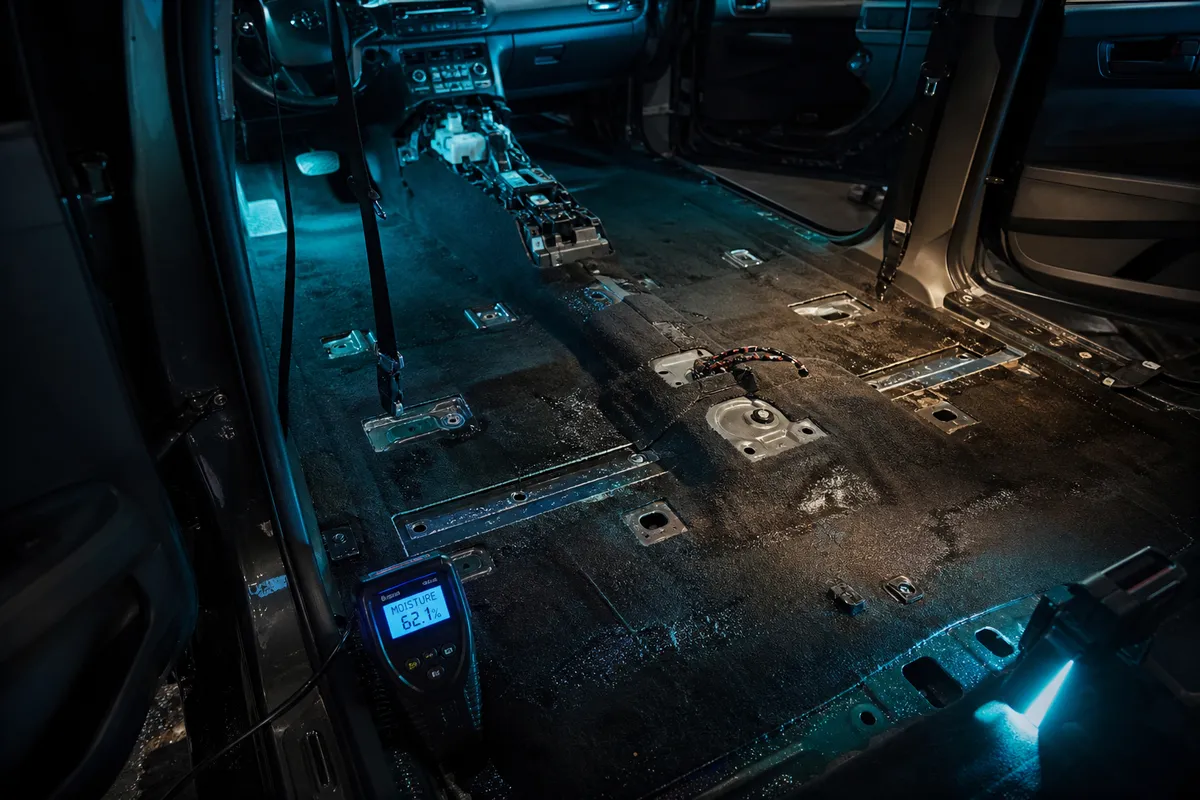
Educational content describes how water typically enters electrical systems — through cowl drains, door seals, floor pan gaps, and engine bay splash zones — without claiming every vehicle follows identical paths. Modules present questions for shop dialogue: Which harness routes sit below the documented water line? Were modules submerged or only splashed?
Artificial intelligence tools in some editorial workflows can group dense connector diagrams into plain-language study sections. Human editors verify pin numbering, remove ambiguous phrasing, and add disclaimers that summaries are for orientation only. AI-assisted sections never publish without technician review on inspection-related modules.
Financial planning vocabulary appears in repair estimate documents: line items for harness replacement, connector kit categories, and diagnostic labor hours. Educational modules define these terms neutrally. A 'wiring assessment allocation' describes a budget document field, not a prediction of final shop totals.
High-voltage and hybrid vehicle considerations
Vehicles with high-voltage battery systems require additional documentation fields after water exposure. Modules explain orange-cable routing terminology, isolation test report sections, and manufacturer bulletin references — always directing readers to licensed high-voltage technicians for hands-on evaluation.
Educational materials emphasize that reading high-voltage report language supports informed shop conversations. Authorization for battery pack inspection or module replacement remains with qualified personnel equipped with appropriate safety gear.
Connecting electrical literacy to shop conversations
When a vehicle arrives at a licensed facility, owners who understand electrical vocabulary can ask clearer questions: Which circuits were load-tested versus visually inspected only? Were resistance readings compared to manufacturer specification tables? Did the report distinguish splash exposure from submersion?
The learning format explains observation categories — immediate professional review versus scheduled follow-up documentation — without prescribing shop outcomes. Electrical literacy reduces miscommunication during estimate review; it does not replace technician judgment.
How AI fits the editorial workflow
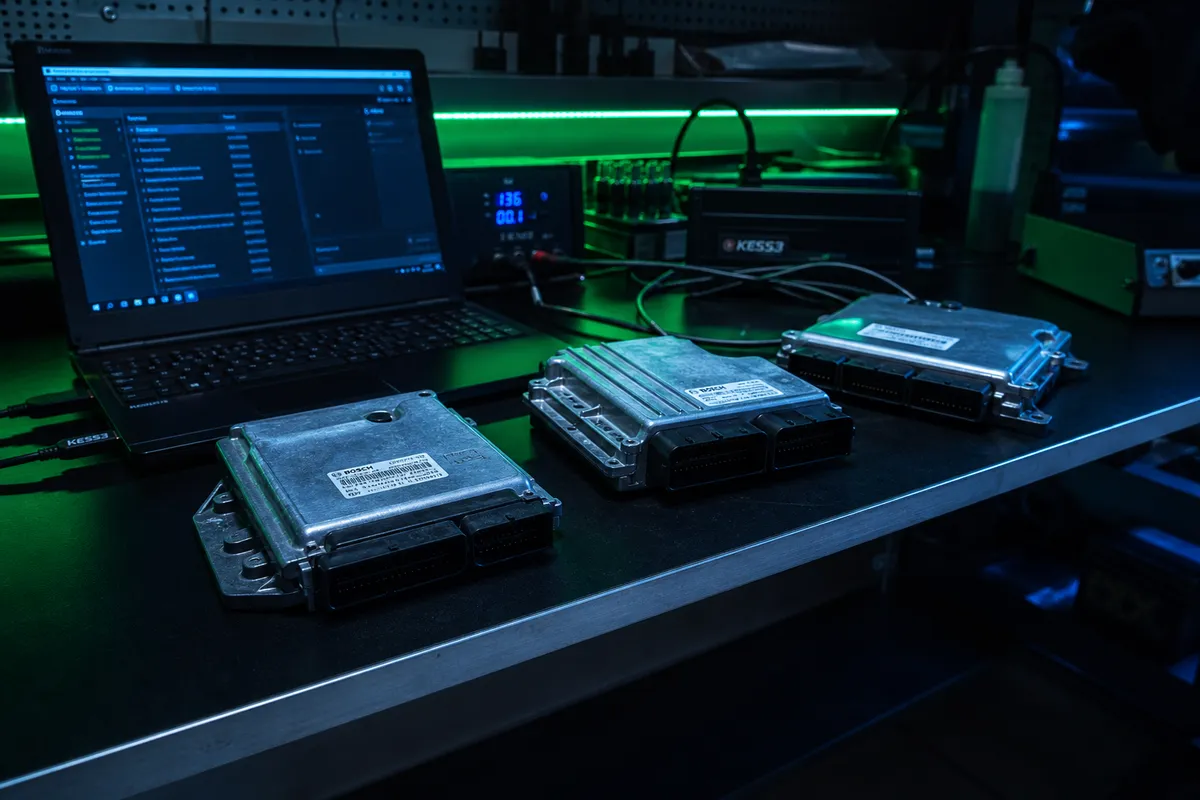
Some modules use artificial intelligence to draft initial glossary groupings of connector types and circuit abbreviations. Editors verify against service manuals, add cross-references to manufacturer PDFs, and remove language that could be read as repair advice.
Readers should treat AI-generated electrical summaries as study aids alongside primary documents. If a summary omits a footnote about a specific engine bay fuse box location, the manufacturer wiring diagram remains the authoritative reference.
Summary
Electrical circuit review education after water exposure focuses on reading inspection reports, connector field definitions, and shop estimate vocabulary with neutral terminology. The learning format connects moisture pathways to documentation practices, introduces financial planning vocabulary without outcome claims, and explains where digital tools — including AI-assisted summaries — fit within human-reviewed editorial workflows.