Reference article
Powertrain Evaluation After Submersion: Aligning Fluid Notes With Observation Records
How to read engine diagnostics reports, fluid contamination fields, and hydrolock terminology for vehicles exposed to floodwater or deep puddles.
Documenting powertrain condition after water contact
Engine diagnostics after water exposure produce report fields that differ from routine maintenance logs. Fluid samples may include water content notes, metal particle observations, and compression test tables with cylinder-by-cylinder values. Educational modules on ferromagnet.info teach readers to distinguish data fields from interpretive recommendations.
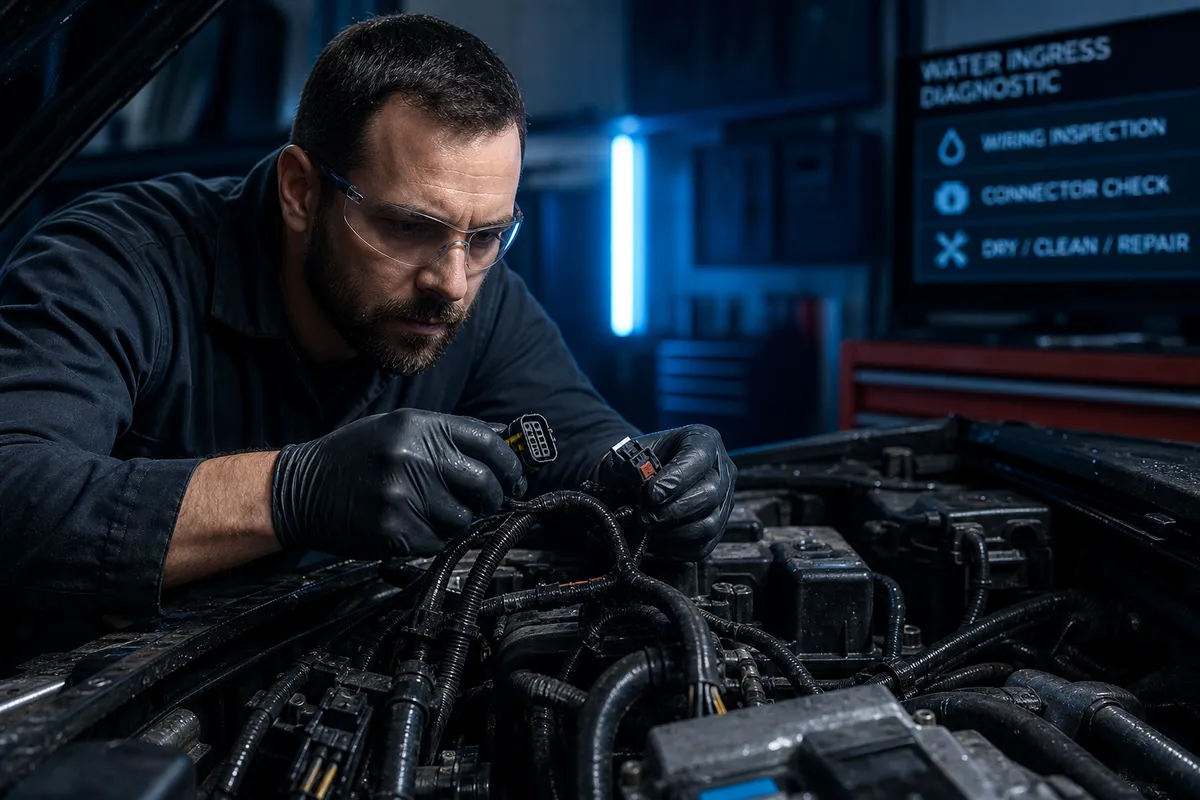
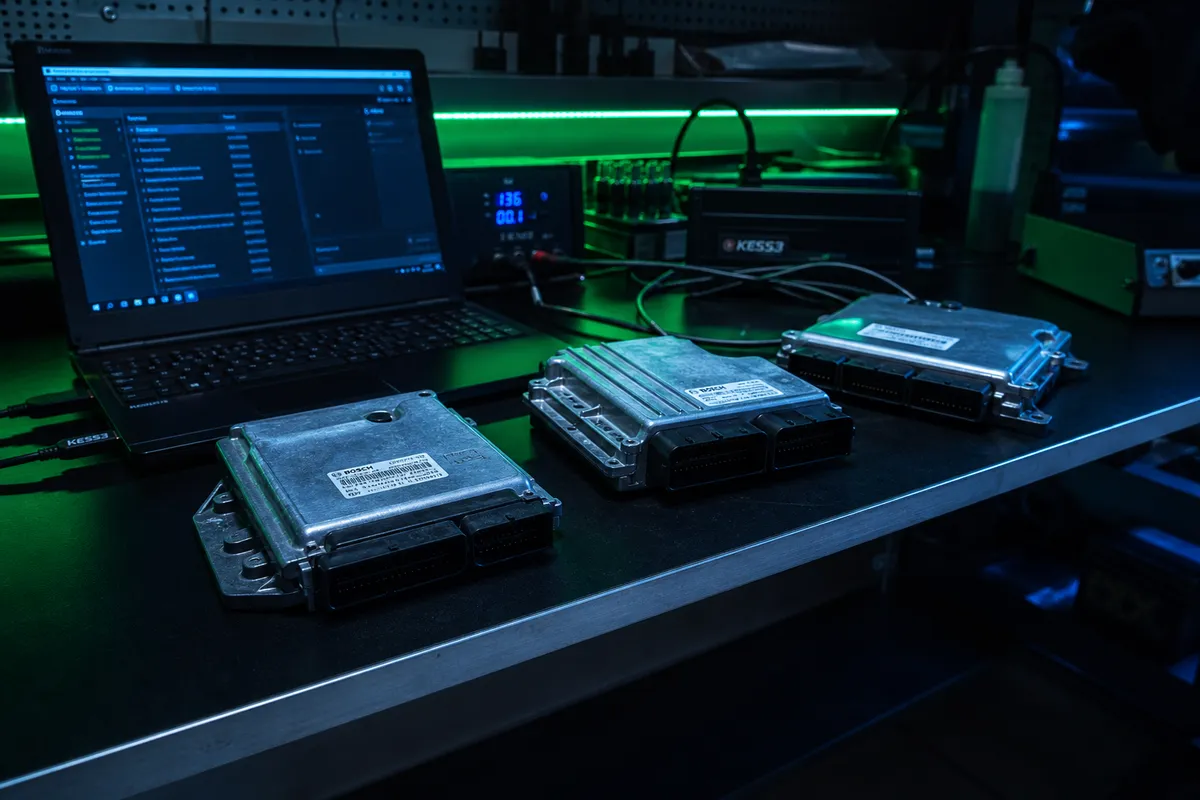
A powertrain evaluation report typically includes intake path inspection notes, oil analysis summary lines, coolant condition observations, and scan tool fault code listings. Each section uses standardized vocabulary that varies slightly between shop management systems — neutral definitions help readers compare reports from different facilities.
The educational format presents powertrain documentation as a structured conversation tool. Understanding field names prepares owners and liaisons for shop dialogue without authorizing specific repair operations.
Hydrolock and fluid contamination terminology
Modules define technical terms in neutral form without linking definitions to individual vehicle outcomes:
- Hydrolock indicator: Documentation note when water may have entered combustion chambers — requires hands-on verification.
- Oil emulsion observation: Visual or lab note describing milky oil appearance suggesting coolant or water mixing.
- Compression variance field: Cylinder-by-cylinder pressure readings compared to specification tables and each other.
- Intake moisture trace: Technician note describing water marks, debris, or staining in air intake path components.
- Crankcase ventilation status: Assessment of PCV system and breather paths for moisture accumulation signs.
Scan data and freeze-frame reading
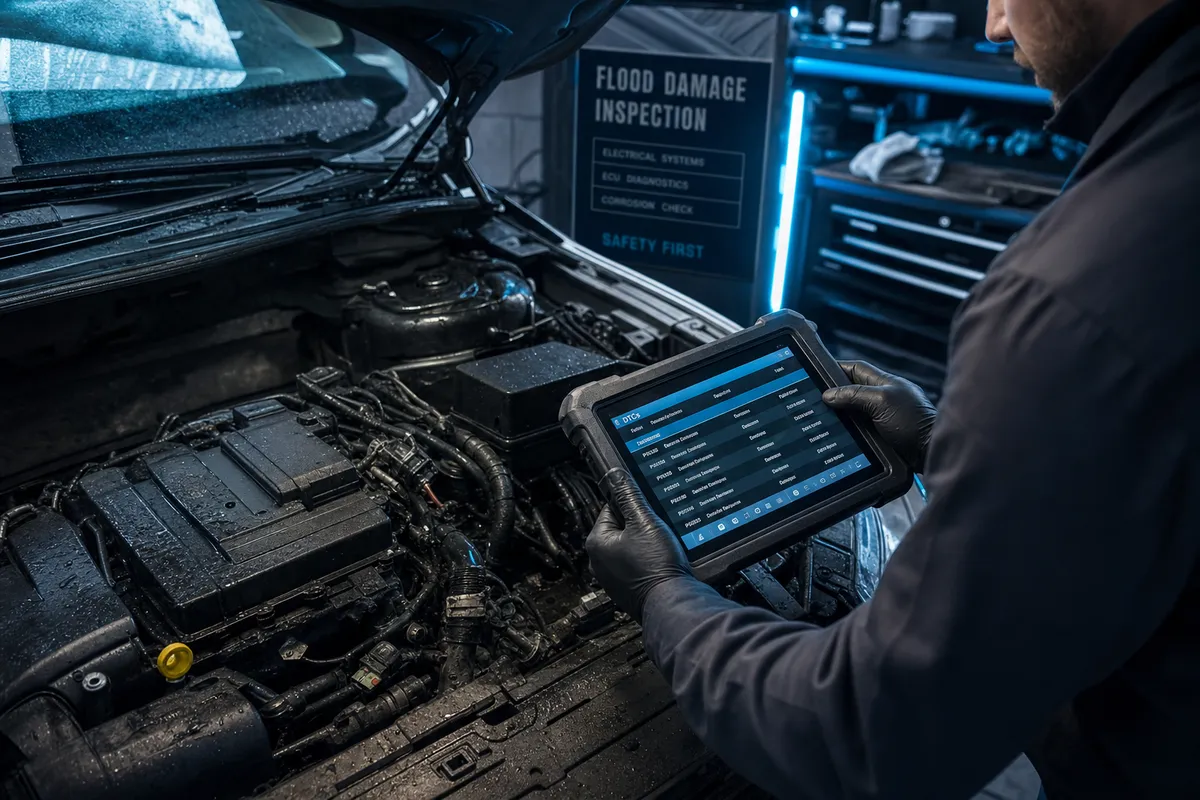
Fault codes stored after water exposure may include communication errors, misfire counts, and sensor range faults. Educational content explains that codes describe monitoring events — not automatic repair orders. Modules teach how to document when warnings appeared relative to water contact timing.
Freeze-frame data captures engine parameters at the moment a fault was logged. Readers learn to compare RPM, load, coolant temperature, and throttle position fields against reference ranges. The purpose is scan data literacy, not remote diagnosis.
Artificial intelligence may assist by grouping related codes into study categories under human editorial verification. AI-generated code summaries remain labeled as draft reference material subject to the same educational boundaries as manually written content.
Financial planning vocabulary in estimate documents
Repair estimates for powertrain evaluation often include line items with specific field names: diagnostic labor hours, fluid analysis fees, compression test categories, and teardown inspection allowances. Educational modules present these as document vocabulary — describing how shops structure estimate sections for water-damaged vehicles.
Financial thinking principles in this context mean understanding how budget documents categorize assessment phases versus repair phases. A 'diagnostic allocation' field describes a planning category, not a promise about vehicle operability or repair scope.
Observation categories for dispatch and review
Educational materials distinguish observations that warrant prompt licensed technician review from those documented for scheduled follow-up. Examples of fields flagged for immediate professional review include active misfire counts with water ingestion notes, metal debris in oil sample reports, and compression readings significantly below specification.
Scheduled documentation updates may include minor cosmetic engine bay staining without mechanical knocking, or historical codes that cleared after drying periods — always subject to professional verification before operational decisions.
Preparing for shop authorization conversations
Owners who study powertrain vocabulary can prepare focused questions: Was compression tested on a warm engine per manufacturer procedure? Were fluid samples sent for lab analysis or evaluated visually only? Does the report distinguish running exposure from stationary submersion?
Educational content emphasizes that approving additional diagnostic work is separate from understanding what report fields mean. Powertrain literacy supports clearer internal notes and more precise shop communication.
Summary
Powertrain evaluation education after water exposure focuses on reading diagnostics reports, fluid contamination fields, and scan data vocabulary with neutral definitions. Modules describe learning formats, AI-assisted editorial workflows, and financial planning terminology without outcome claims — always directing hands-on assessment to licensed technicians.